Predicting tension retention and fabric durability
In the field of technical textiles, such as tarpaulins, architectural membranes or industrial fabrics, the main challenge is not only resistance to breaking, but the preservation of mechanical properties both during the application of a load and in the phase following load removal. Since materials exhibiting high energy dissipation could suffer from creep (viscous flow) and stress relaxation.
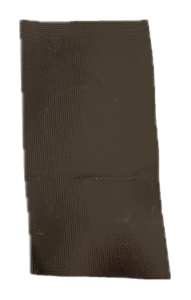
An emblematic use case of our technology focused on testing 3 truck tarpaulin samples, 2 new and one worn, focusing on how different imposed deformations influence the following parameters:
Storage Modulus: viscoelastic property that describes the ability of the material to store and release energy during a dynamic phenomenon (rebound of the VESevo indenter)
Loss Factor: viscoelastic property that, unlike the Storage Modulus, defines the ability of the material to dissipate energy
Adhesion Viscoelastic Index (AVI): provides information on the adhesive component and hardness of the material. In particular, the higher its value, the softer the material will be
Hysteresis Viscoelastic Index (HVI): provides information on the dissipative response of the material. In particular, the higher its value, the more dissipative the material will be
Coefficient of restituition: dimensionless parameter described by the following formula
For each tarpaulin, the above-mentioned properties were evaluated at different levels of deformation:
0% (no deformation)
from 1 to 10% deformation
BLUE TARPAULIN
BLACK TARPAULIN
GREEN TARPAULIN
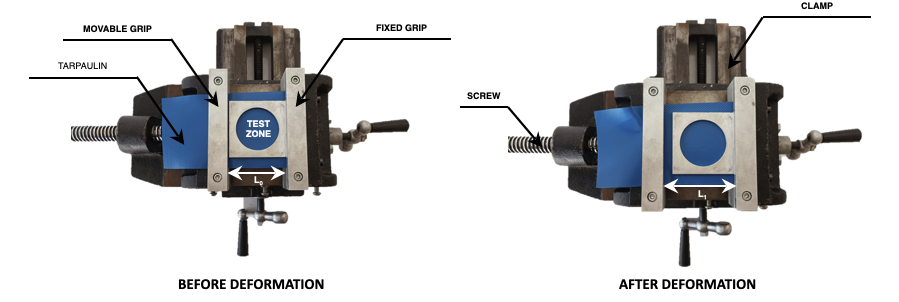
To simulate different levels of deformation, an ad-hoc setup was developed, shown below:
The setup consists of a clamp on which two grips are mounted. One is fixed to the clamp while the other is free to move.
The tarpaulin sample is placed between the two grips as illustrated in the figure below.
The movable grip can be actuated by means of a screw that allows different levels of deformation of the tarpaulin to be set. The imposed deformation is calculated as the percentage difference between the final length (after the sample has been stretched) and its initial length, measured using a caliper.
For each sample and for each level of deformation, 20 measurements were acquired, all conducted at room temperature
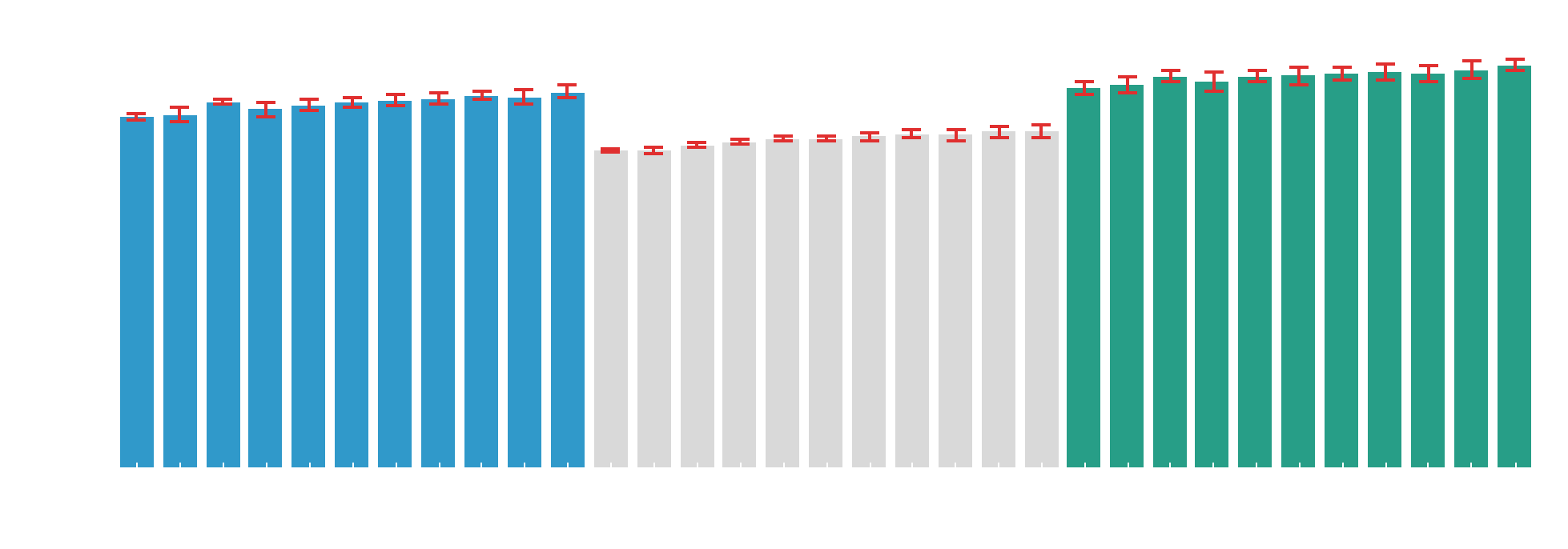
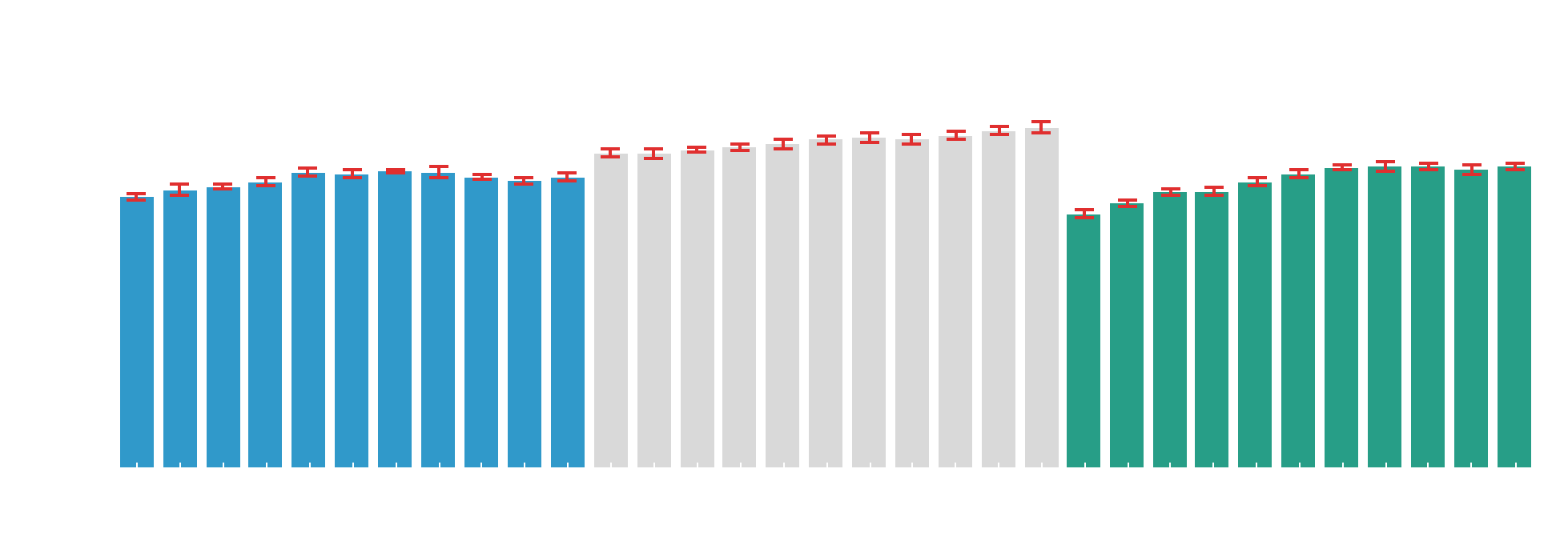
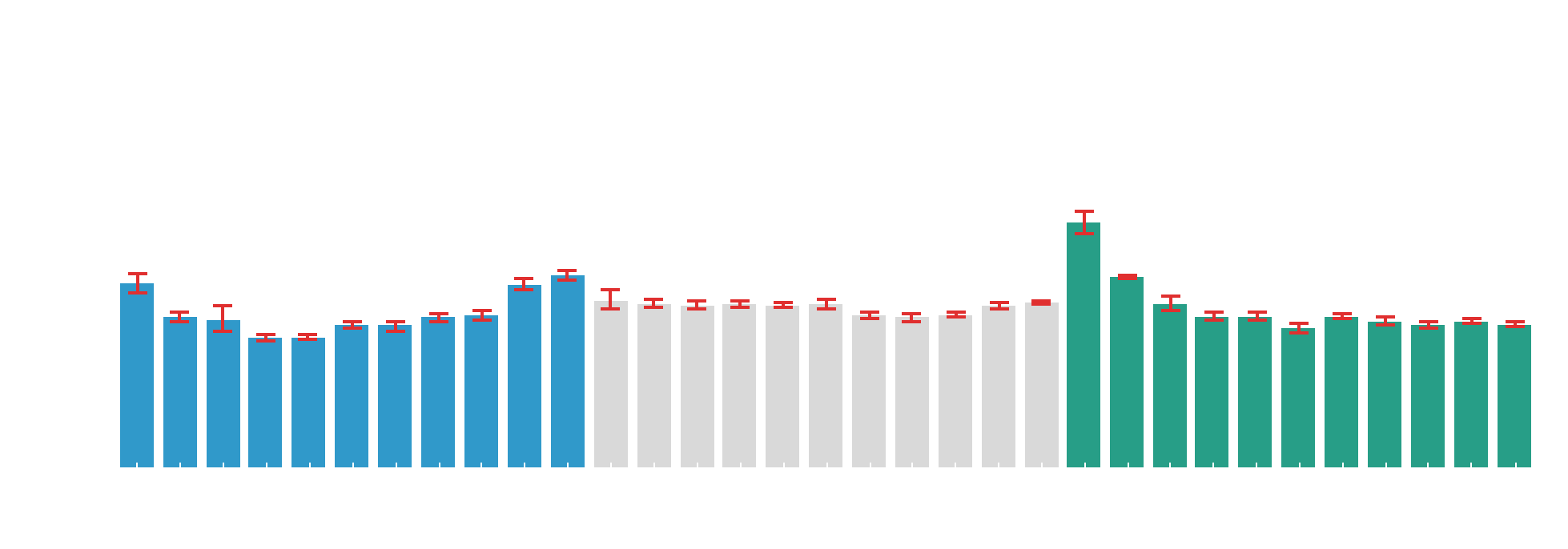
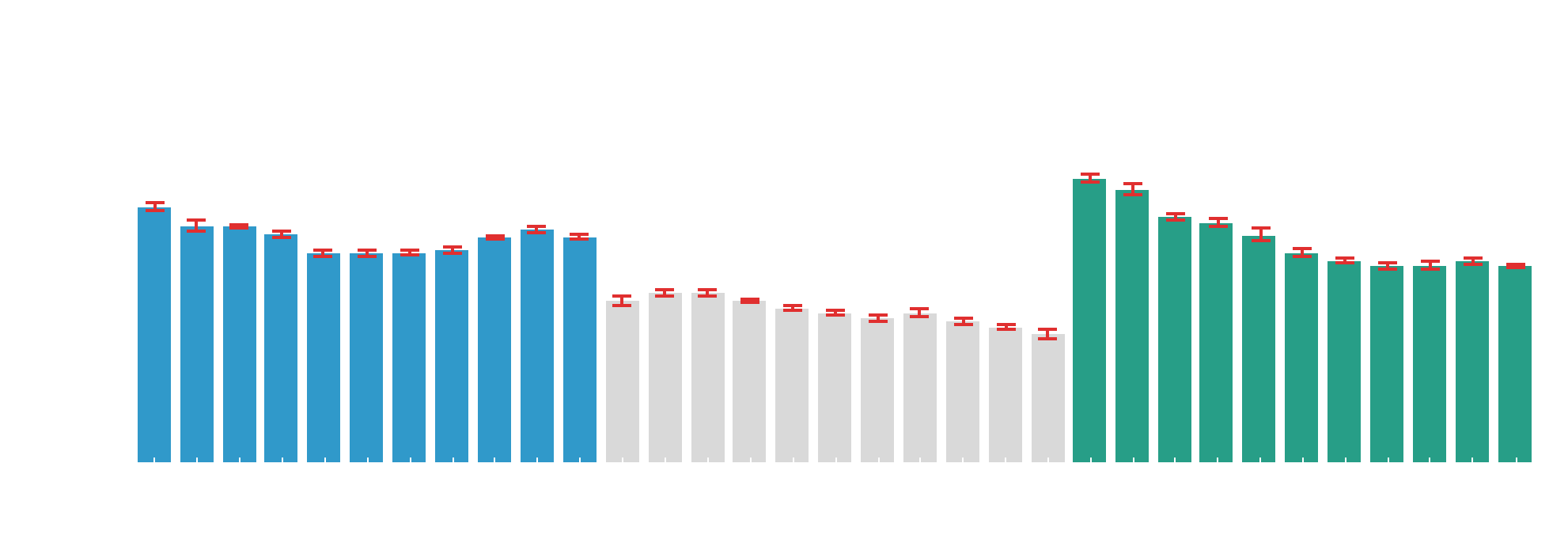
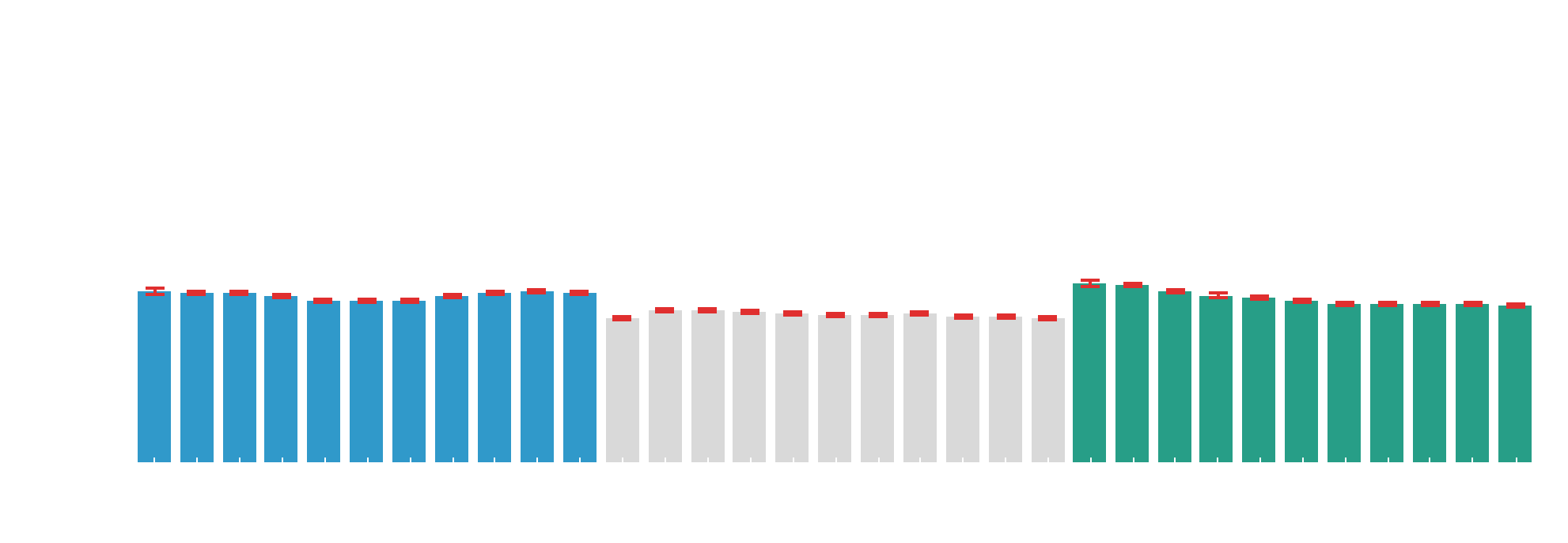
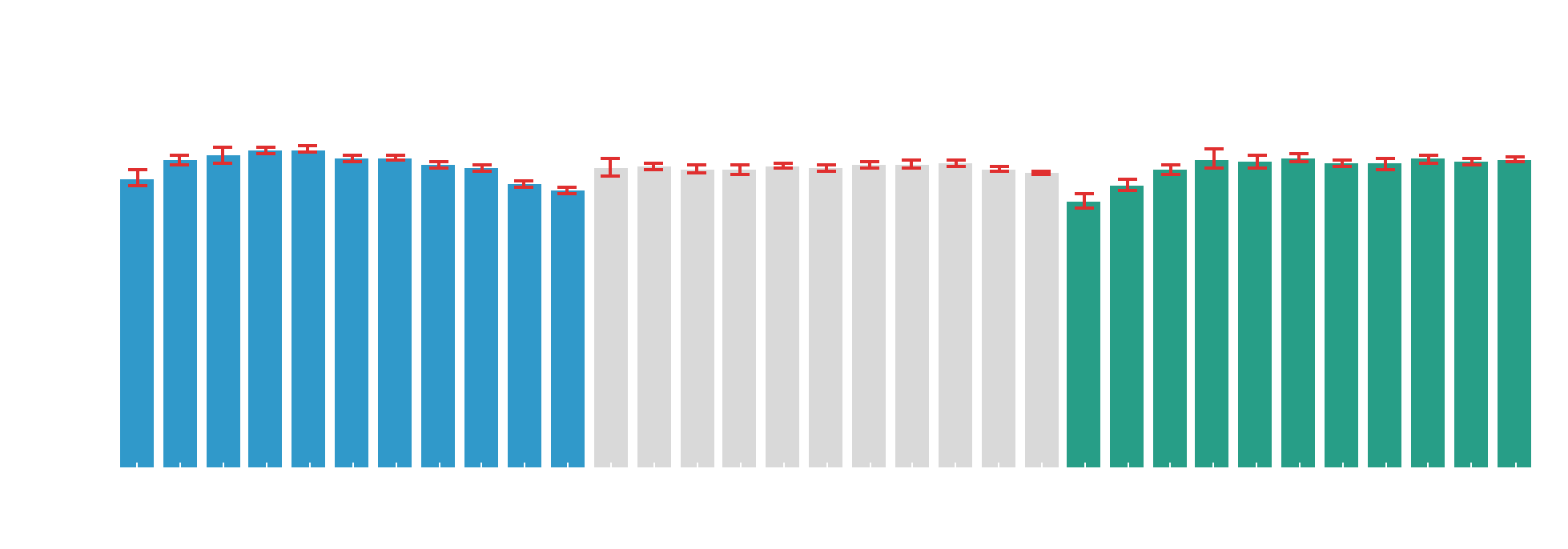
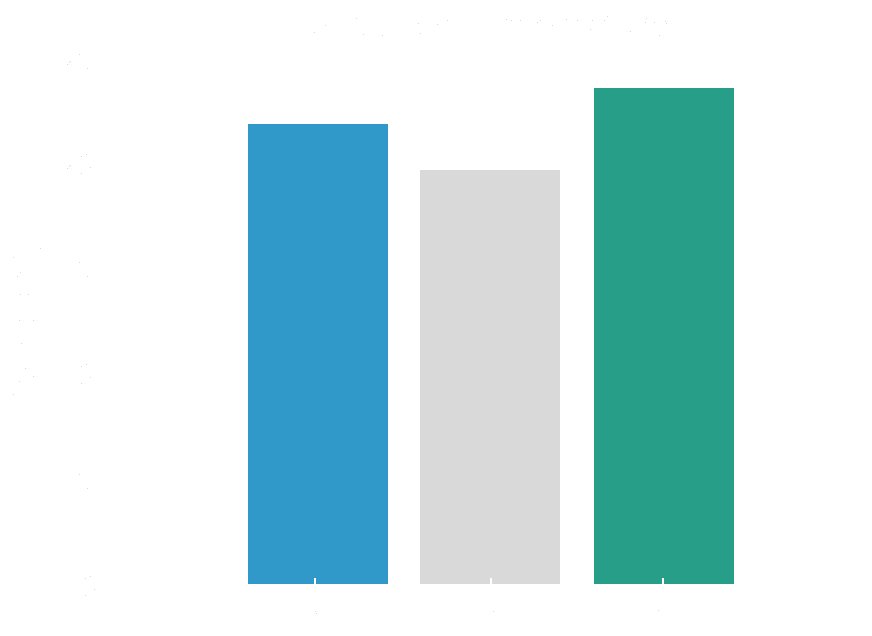
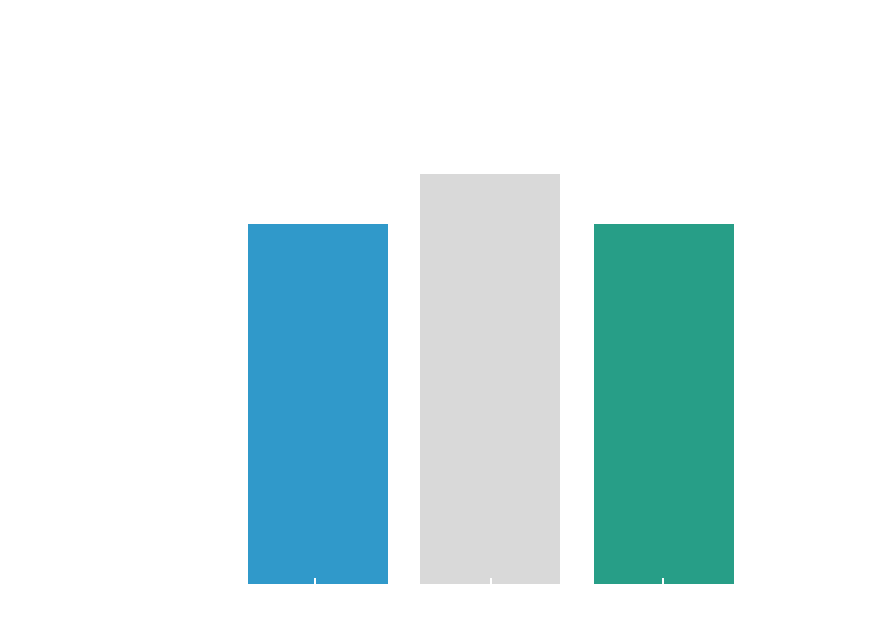
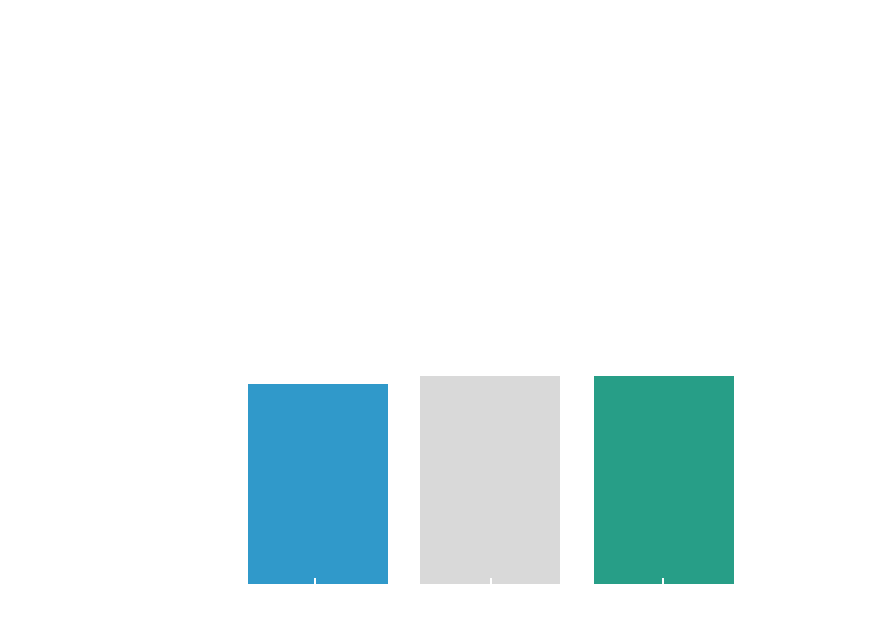
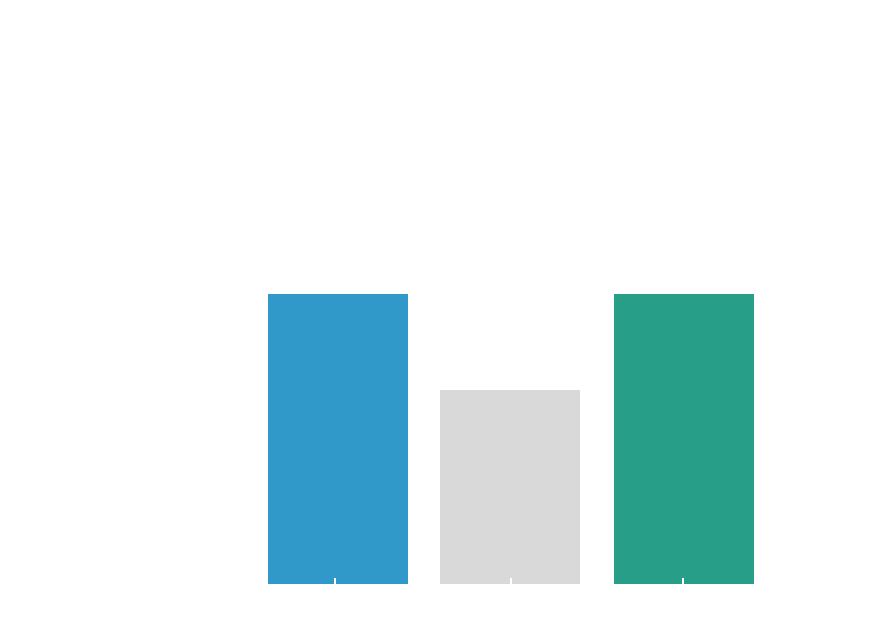
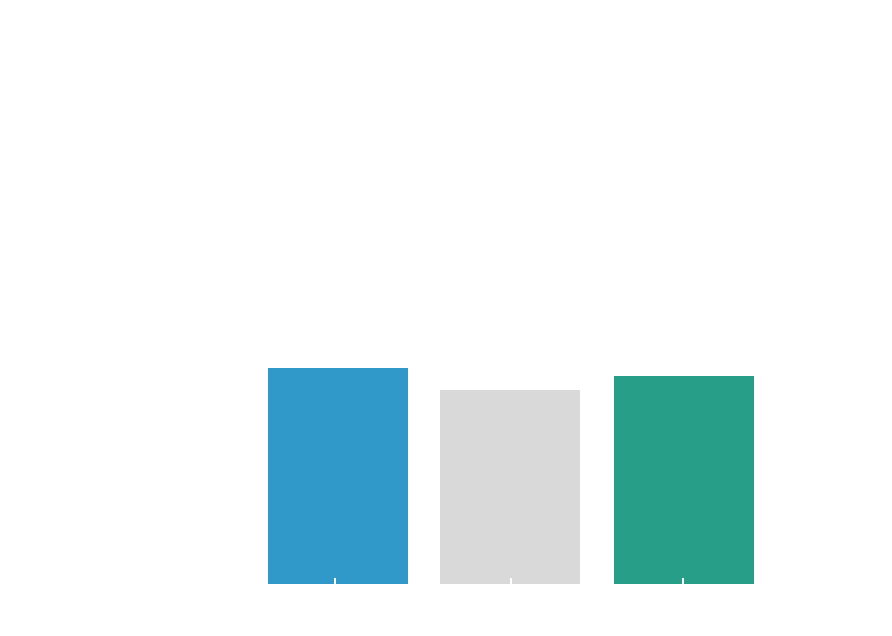
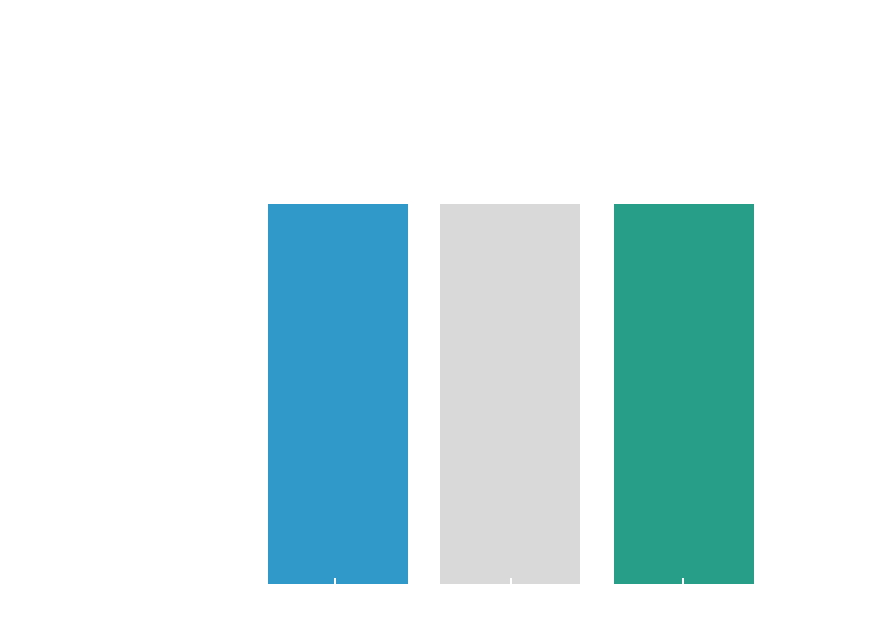
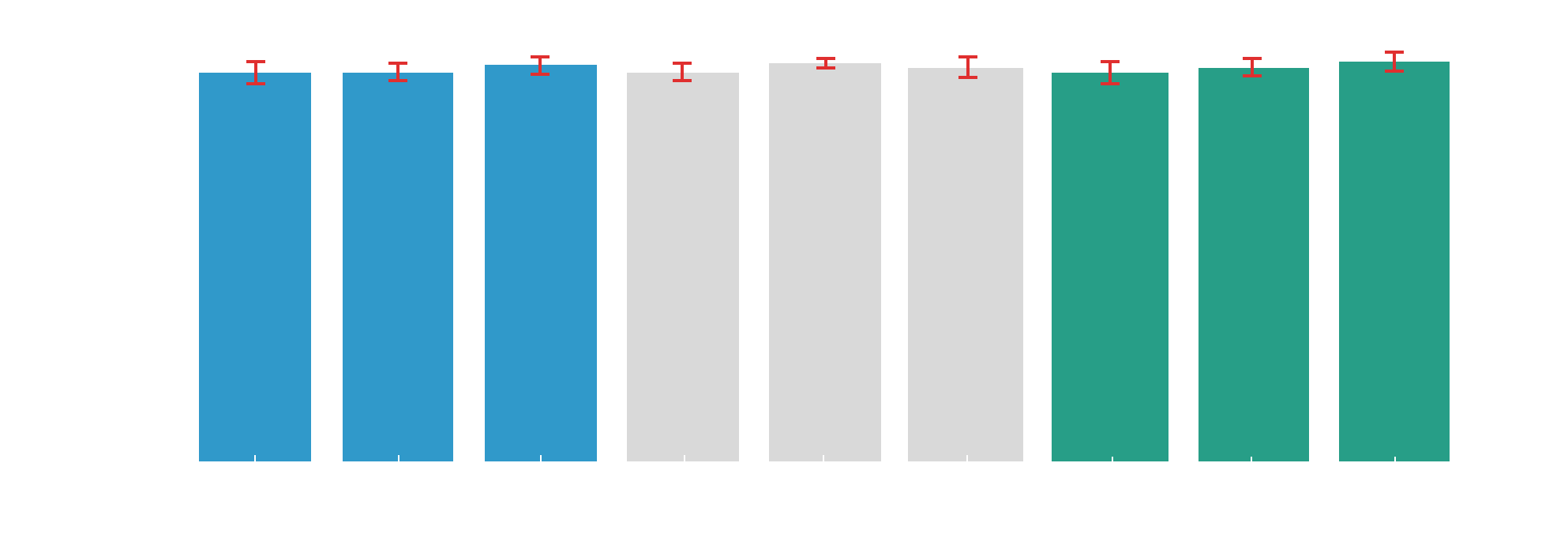
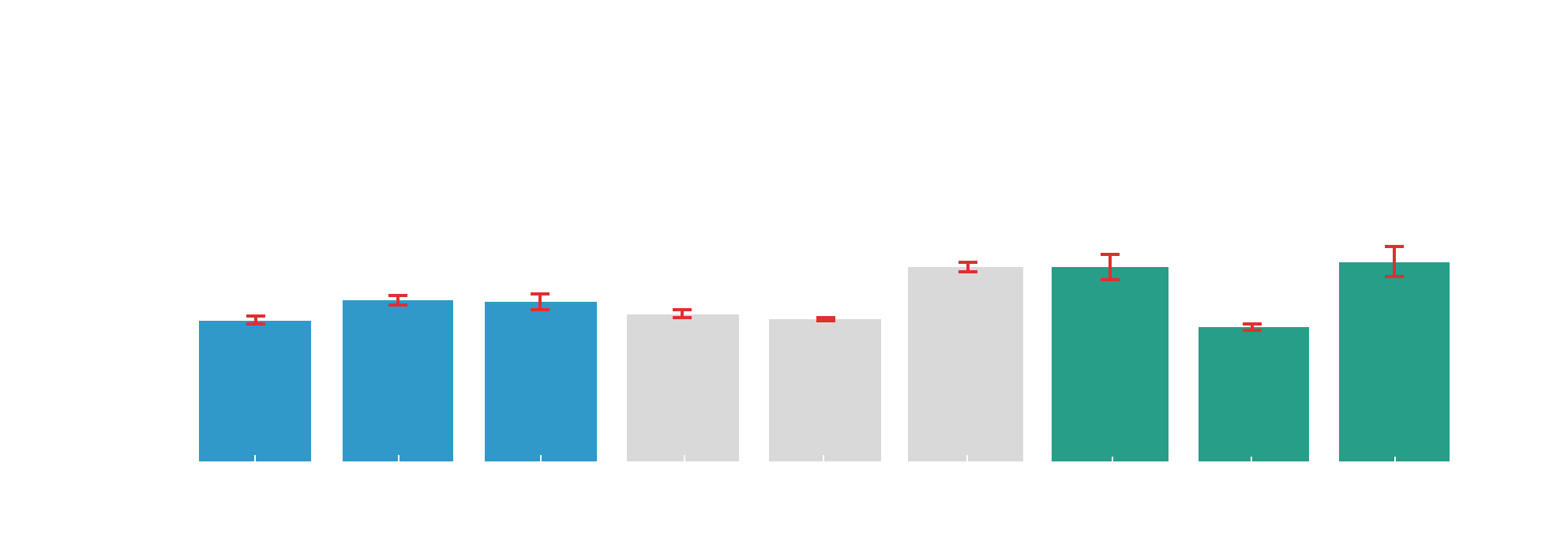
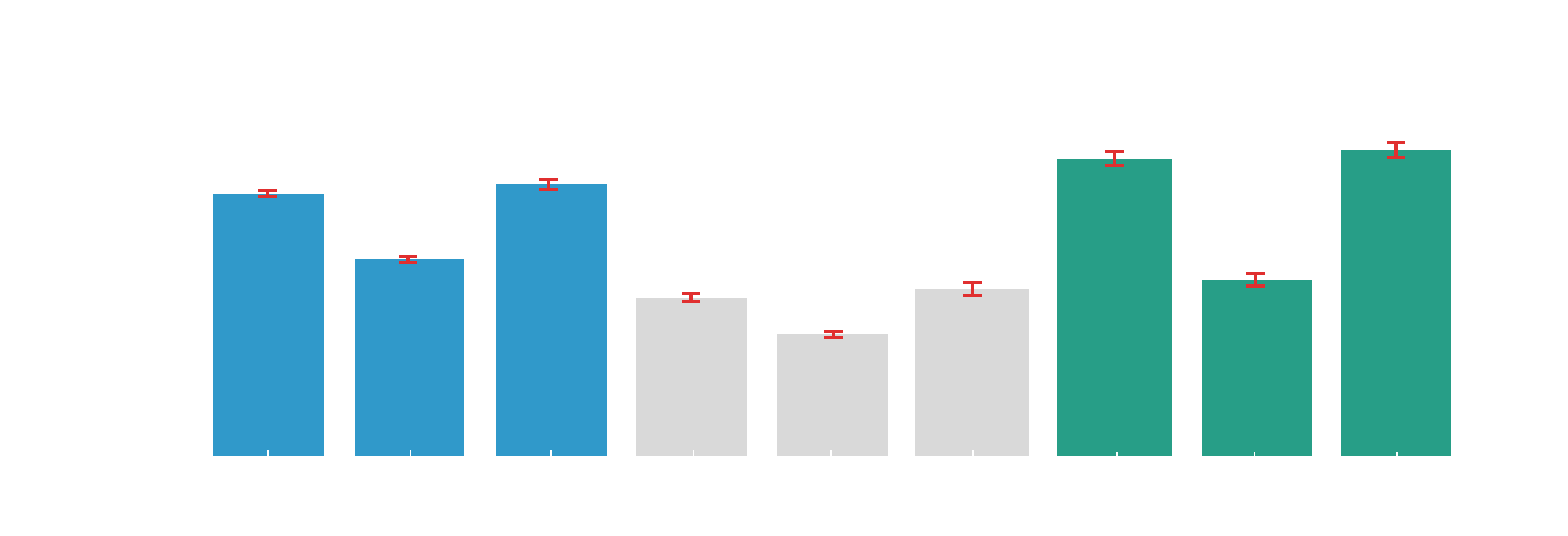
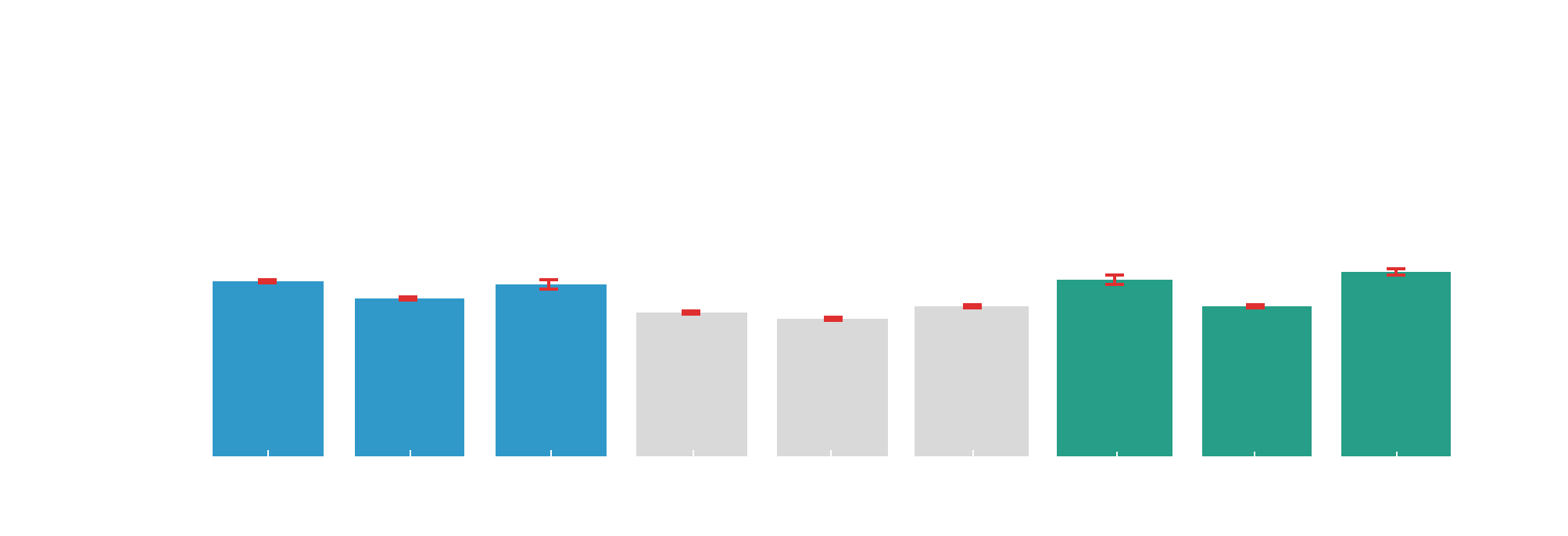
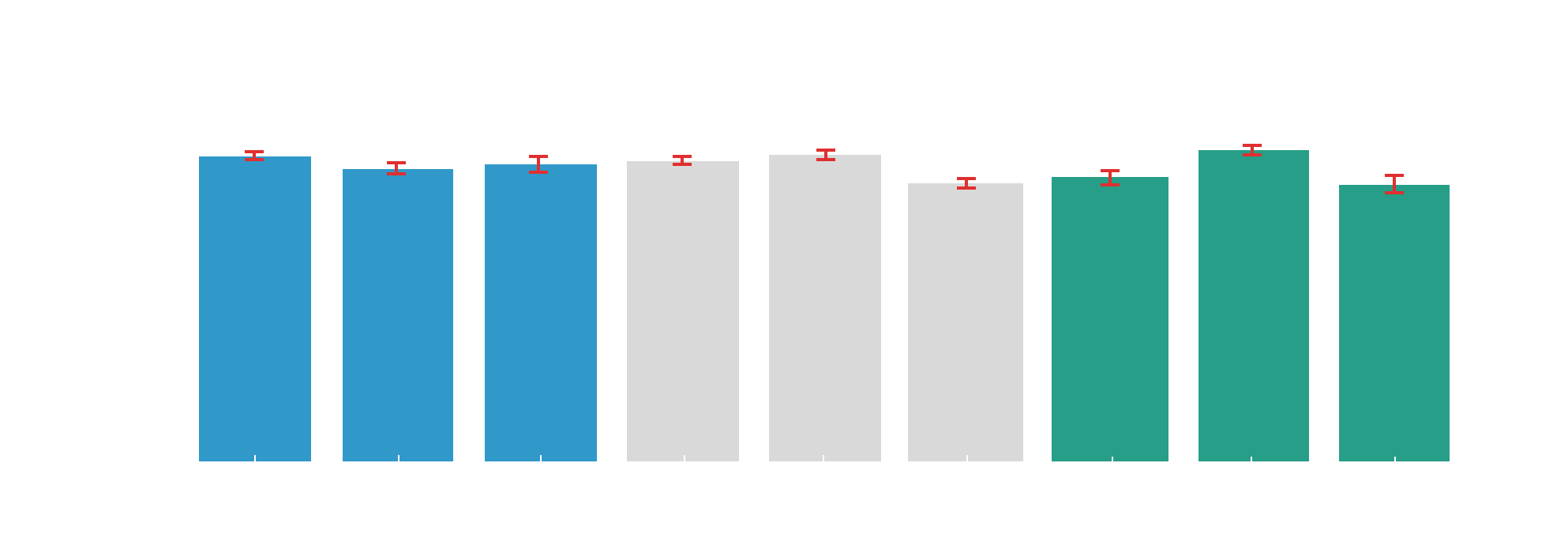
The BLACK and GREEN tarpaulins appear to be more affected by the imposed level of deformation compared to the BLUE tarpaulin. The effect of deformation mainly concerns the dissipative content (see Loss Factor, HVI index & Coefficient of Restitution).
The BLUE TARPAULINand the GREEN TARPAULIN appear to exhibit the same behavior.
On the other hand, independently of the level of deformation, the BLACK TARPAULIN appears to be less dissipative and more elastic than the other two. Such behavior could suggest reduced susceptibility to relaxation phenomena, improved retention of the imposed deformation over time, but at the same time provide lower flexibility.
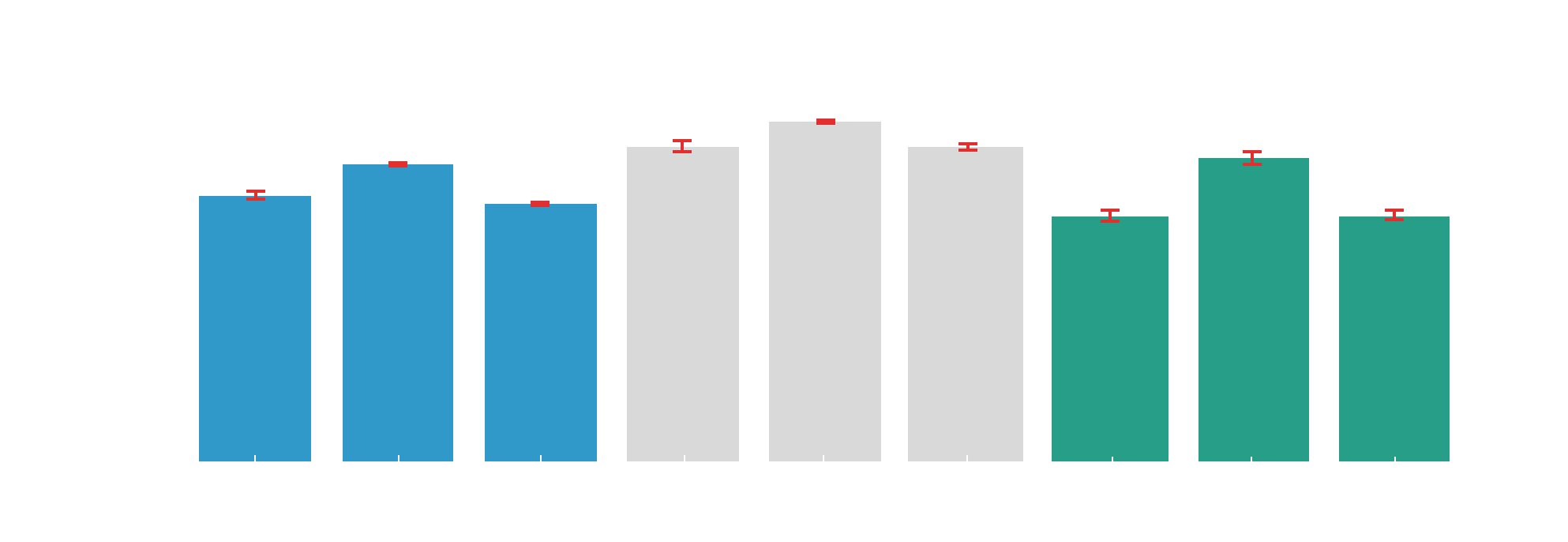
In previously conducted tests, a relaxation effect could potentially develop, experienced by the tarpaulin between one deformation and another. In other words, gradually stretching the tarpaulin could mask or inhibit the true effect of deformation. For this purpose, in a further study, each sample was initially tested at rest (0first), then subjected to maximum deformation, and finally tested again at rest (0last), without intermediate deformation levels.
Even with such methodology, an effect of deformation was observed.
Contact us
We use cookies on our website to give you the most relevant experience by remembering your preferences and repeat visits. By clicking “Accept All”, you consent to the use of ALL the cookies. However, you may visit "Cookie Settings" to provide a controlled consent.
This website uses cookies to improve your experience while you navigate through the website. Out of these, the cookies that are categorized as necessary are stored on your browser as they are essential for the working of basic functionalities of the website. We also use third-party cookies that help us analyze and understand how you use this website. These cookies will be stored in your browser only with your consent. You also have the option to opt-out of these cookies. But opting out of some of these cookies may affect your browsing experience.
Necessary cookies are absolutely essential for the website to function properly. These cookies ensure basic functionalities and security features of the website, anonymously.
Cookie
Duration
Description
cookielawinfo-checkbox-analytics
11 months
This cookie is set by GDPR Cookie Consent plugin. The cookie is used to store the user consent for the cookies in the category "Analytics".
cookielawinfo-checkbox-functional
11 months
The cookie is set by GDPR cookie consent to record the user consent for the cookies in the category "Functional".
cookielawinfo-checkbox-necessary
11 months
This cookie is set by GDPR Cookie Consent plugin. The cookies is used to store the user consent for the cookies in the category "Necessary".
cookielawinfo-checkbox-others
11 months
This cookie is set by GDPR Cookie Consent plugin. The cookie is used to store the user consent for the cookies in the category "Other.
cookielawinfo-checkbox-performance
11 months
This cookie is set by GDPR Cookie Consent plugin. The cookie is used to store the user consent for the cookies in the category "Performance".
viewed_cookie_policy
11 months
The cookie is set by the GDPR Cookie Consent plugin and is used to store whether or not user has consented to the use of cookies. It does not store any personal data.
Functional cookies help to perform certain functionalities like sharing the content of the website on social media platforms, collect feedbacks, and other third-party features.
Performance cookies are used to understand and analyze the key performance indexes of the website which helps in delivering a better user experience for the visitors.
Analytical cookies are used to understand how visitors interact with the website. These cookies help provide information on metrics the number of visitors, bounce rate, traffic source, etc.
Advertisement cookies are used to provide visitors with relevant ads and marketing campaigns. These cookies track visitors across websites and collect information to provide customized ads.