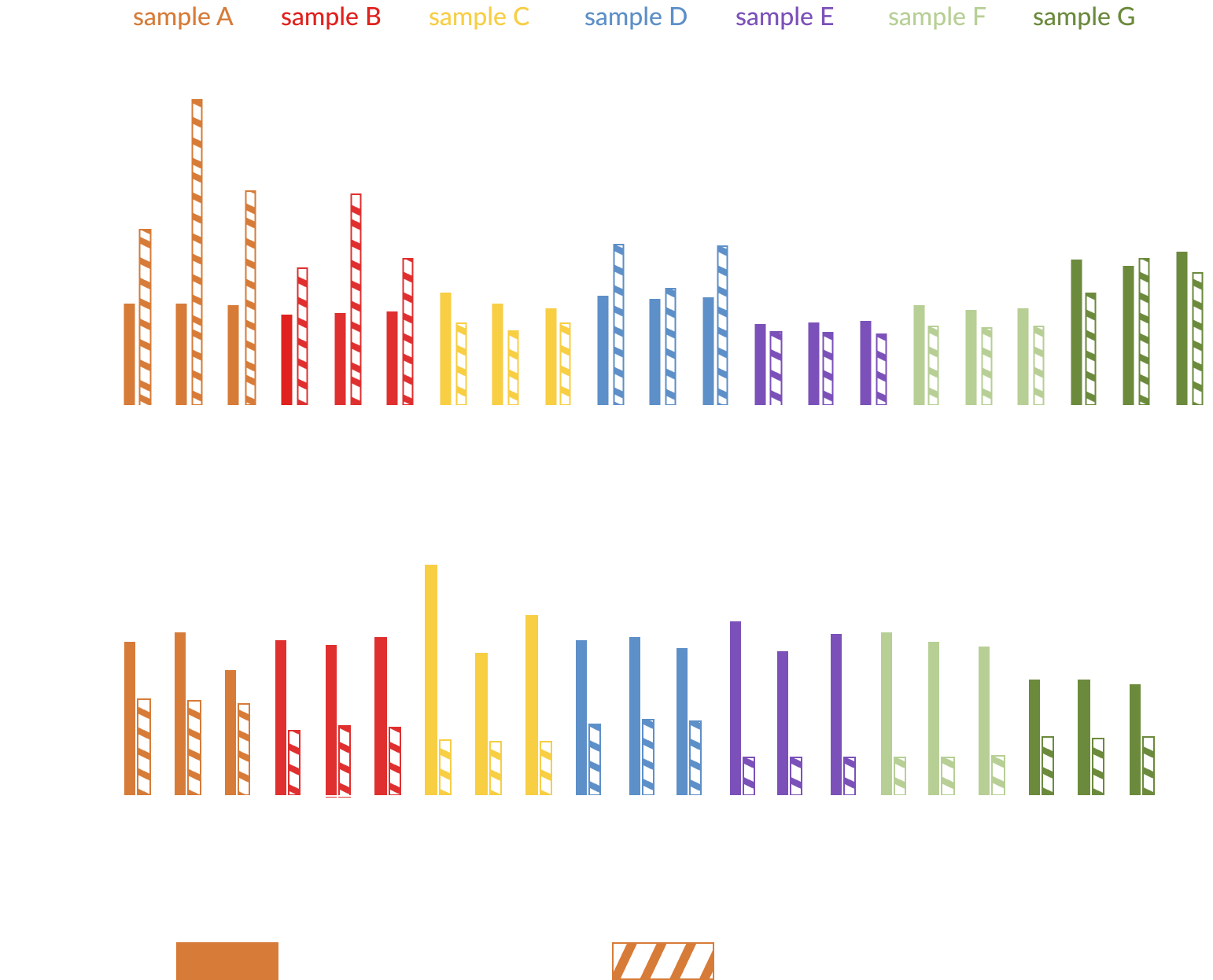
Traditional material characterization techniques often fall short when dealing with complex geometries or multimaterial systems, for instance the brake pads. In these components, geometric discontinuities and the interface between the friction material and the backing plate trigger signal reflection, attenuation, and scattering during ultrasonic inspections, ultimately compromising data reliability. In response to these limitations, this case study evaluates whether VESevo technology can successfully characterize brake pads, analyzing both the standalone friction material and the complete system (friction material and metallic support). Ultimately, the objective is to verify the methodology’s capability to provide representative information despite the challenges posed by multilayer configurations and structural interfaces.